I reached the end of the day at the clinic broken-hearted.
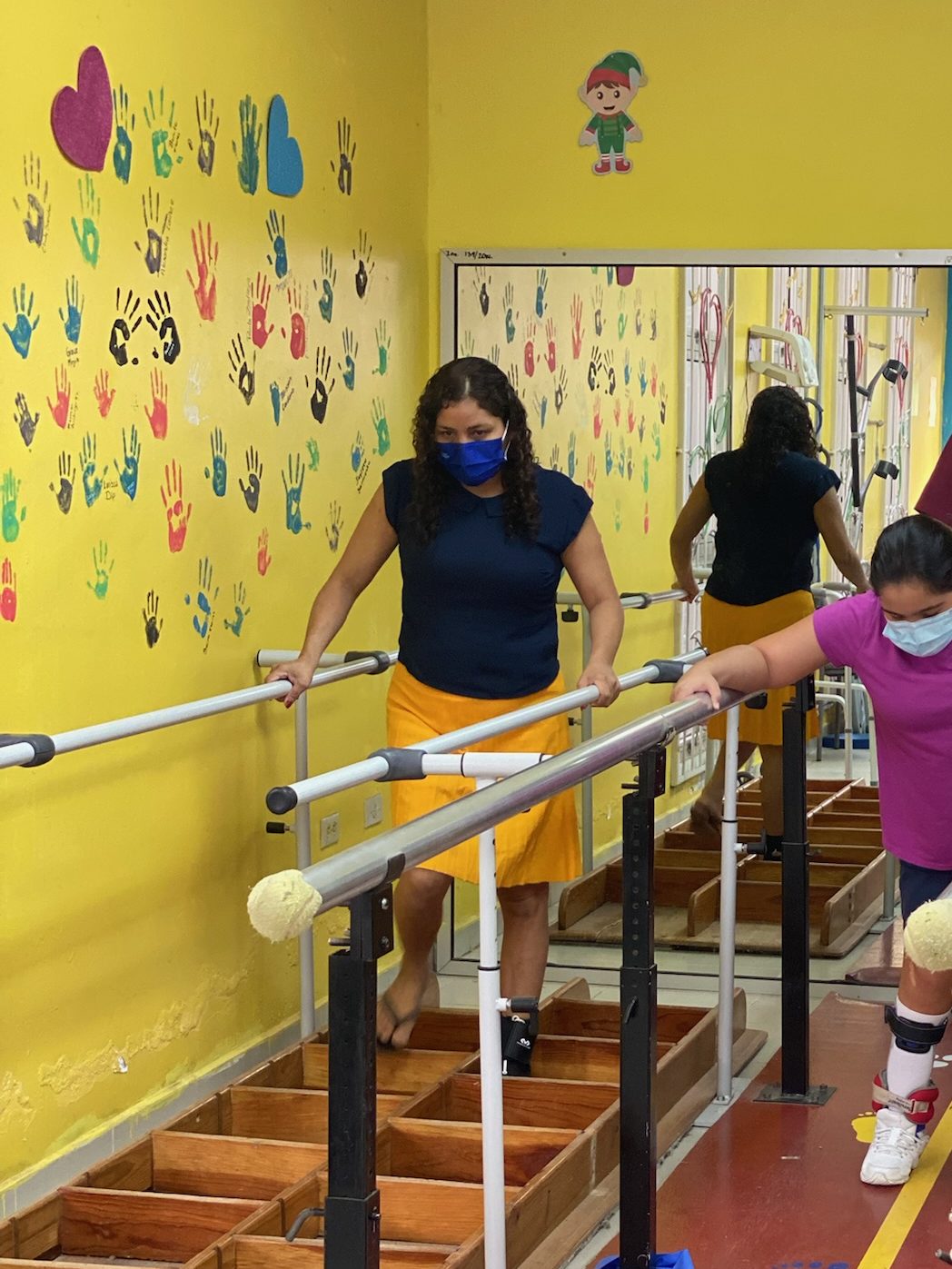
Today I met Benita. She is in her 30s – like me – and has been dealing with severe abdominal pains for many months, progressing to complete loss of sensation and function of her left lower leg. The physiatrist suspects uterine cancer with metastasis to the spinal cord resulting in loss of muscle function in the left leg, but the requisite tests are not available or not affordable for her. So Benita is left to suffer, to deal with it. I stood frozen in the gym, watching helplessly, as she walked back and forth in the parallel bars, willing her left foot to lift over the obstacles, but catching her toes instead.
My head and heart raged, one citing the obvious – you can’t heal her – and other crying out for something to be done. I finally broke free from my spot on the tiled floor, taking heavy-laden steps toward her, asking in broken Spanish how she was feeling today. She mustered a weak “Bien” with a quiet voice – a broken spirit – as she continued to march through the obstacles. As I watched her walk, I saw her foot drop, and my heart fell too. I prayed for inspiration; for something must be done.
I remembered the ankle braces among the donations I’d brought in my luggage for the clinic. I hadn’t a clue what equipment they might need here, so I had purchased items that were inclined toward sporting injuries and other orthopedic concerns, rather than neurologic impairments like Benita’s. What Benita really needed was a brace that worked to correct her foot drop, her inability to lift the front of the foot and toes due to lack of muscle function. The ASO brace that I had would simply make her ankle stiffer, not hold the toes up. But something must be done. I excused myself and hurried to the clinic director’s office, where the donations were stored. I found an ASO ankle stabilizer that would fit Benita, then returned to el gimnasio. I asked her to take a seat, then fitted the brace to her left ankle and tightened it carefully.
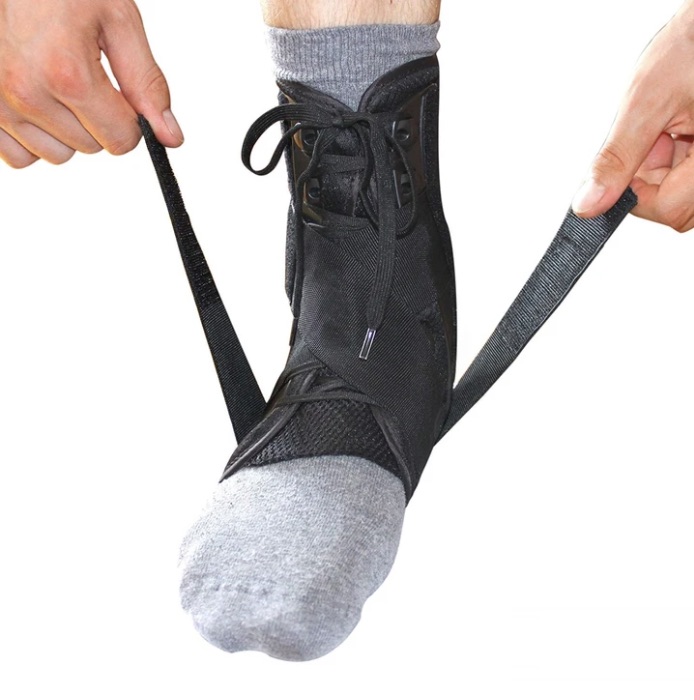
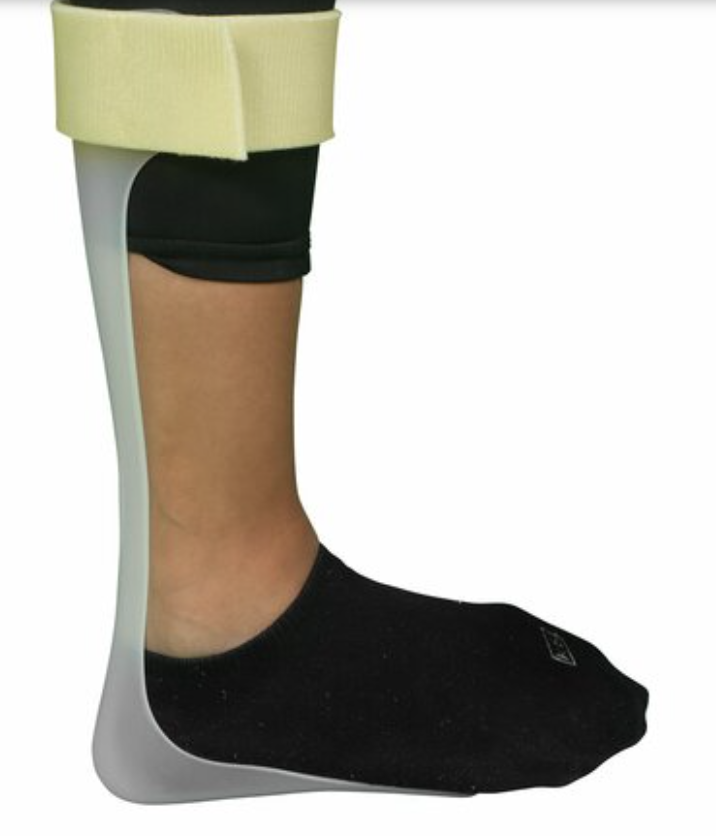
I asked Benita to walk with the ASO in place as I analyzed her gait. The foot drop was, unsurprisingly, not entirely corrected. I asked her to take a seat again, as I was inspired to remove the lanyard holding my voluntario name card, tying it from the front of the brace (near the toes) to the top of the brace, attempting to limit how much the foot would drop. This helped moderately, and another staff member came over with a spare shoelace so I could retrieve my name lanyard. I asked him if we could purchase an AFO brace for Benita, a relatively simple purchase in the USA around $30-40. In Honduras? The nearest place to procure an AFO is 3 hours away by bus, an impossibility for Benita.
I asked Benita if she could wear tennis shoes to her next visit, as braces are more effective in a supportive shoe, rather than the flip flops she was wearing. “I can’t afford shoes,” she said by way of the interpreter. My heart broke as I turned away from her and scurried to catch up with the volunteers who had already boarded the bus for home. But something must be done!
On the bus ride home, I remember Jennifer Marianita and her struggles with muscular dystrophy and terrible ankle instability, now wearing an ankle stabilizer from the donation pile. I think of Sheila, dealing with seizures and weakness related to an issue that could be managed simply with a monthly injection of a medication not available in Honduras. I gaze out the window of the bus mulling over these cases when I catch a glimpse of a man sitting in the dirt on the roadside, tying flattened plastic water bottles to his feet in place of shoes. 💔
The need is overwhelming. Can a drop in the bucket be sufficient? Is a little enough? I must keep reminding myself that something is better than nothing. God, help us.
 Conversations on El Camino