Members of “The Unemployed House” – Abrill, Heather, Lauren, and I – let out various cries of concern from the back row of the bus, anticipating our potential demise. Our seats were cantilevered over a steep ditch ready to swallow the back axle, the driver maneuvering a six-point turn on the mountainside.
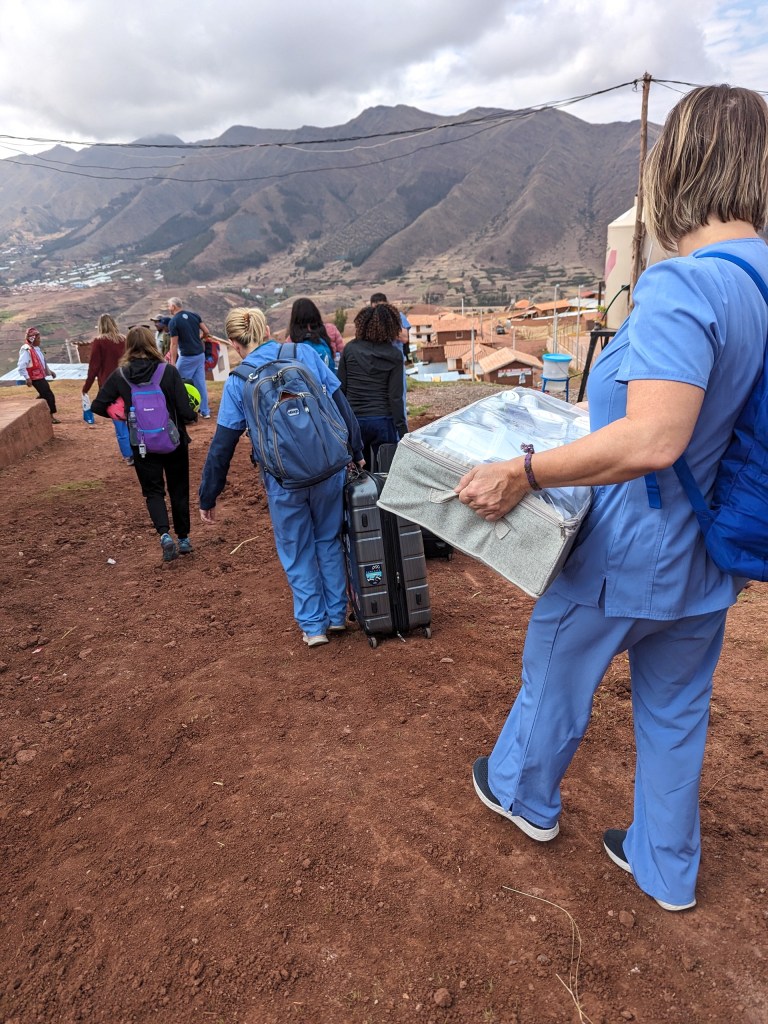
We were an hour of switchbacks above Cusco, bumping and swaying our way through the rural district of Taray, finally pulling in to a patch of grass between a sheep pen and a large concrete building. Snap & Papi (Gordon & Randy, but no one calls them that any more) worked to unload suitcases from the top cargo rack of the van as the remaining providers lined up to carry them into the community center of Kallarayan.

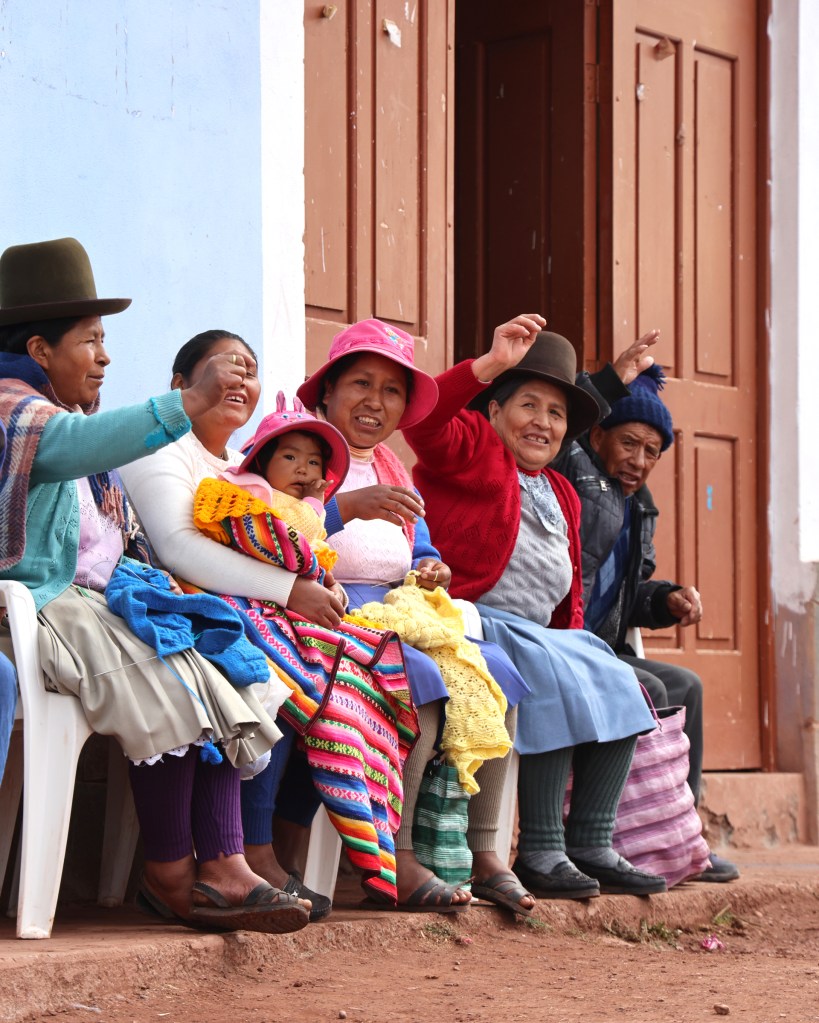
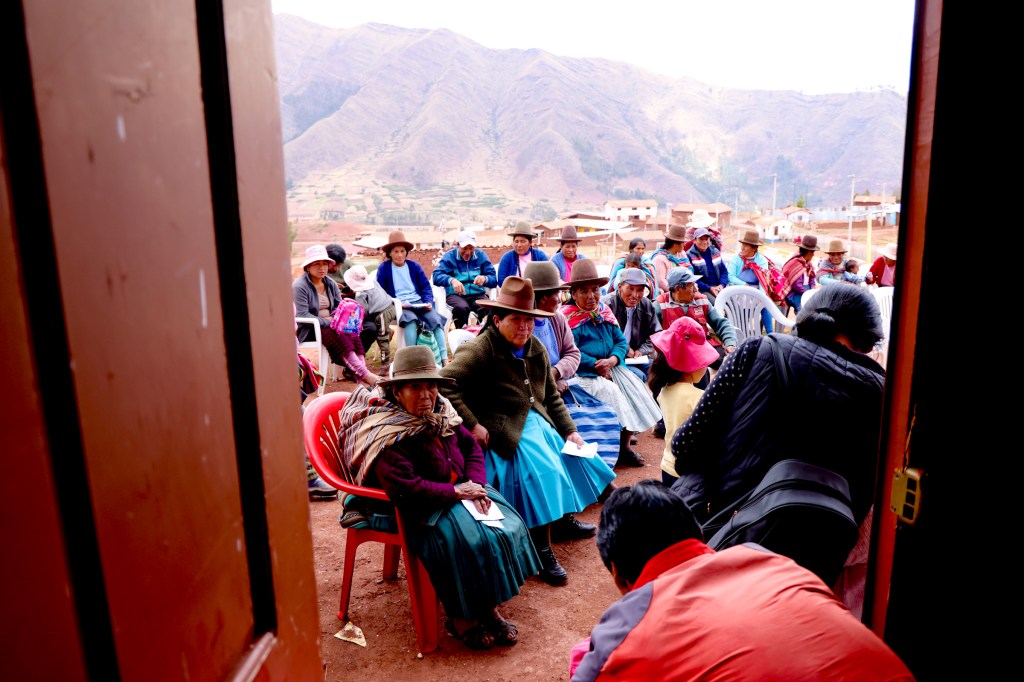
We were greeted once again with cheers from a smiling crowd; I felt a bit sheepish, not feeling worthy of any sort of accolade. Some sixty or seventy future patients lined up in plastic chairs zigzagging across the lawn, colorfully clad in stripes of fuchsia and purple, red and blue; the men with tasseled knit hats, the women with high felt hats topping two long braids cascading down their backs. Children shrieked with delight as they ran among the lines of chairs, their cheeks rosy and brown from exposure to the harsh sunlight of the high Andes.
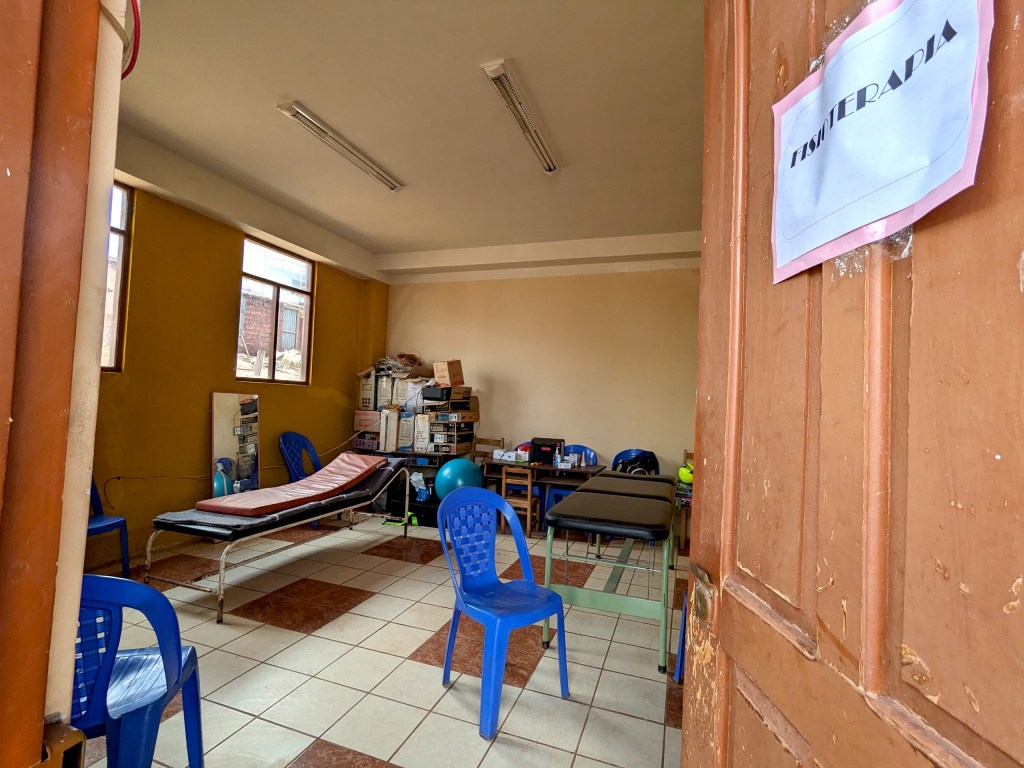
Physical therapy was given a private room again, this time in the office of the local mayor. We rejoiced to have two treatment beds, setting up our area and waiting for PT referrals to come around the corner.
The majority of the people of Taray are Quechuan, an indigenous people of Peru. My growing confidence in my Spanish skills was given a shake as I met with patients who spoke less Spanish than I did, my brain exploding a little each time one of the patients was accompanied by a friend who could translate between Spanish and Quechua. I’ve worked with interpreters multiple times in the past, but never in my second language. I reverted to English more times than I could count, struggling (and failing) to think in Spanish. I was grateful that most exercises can be instructed through show-and-tell, demonstrating to patient after patient how to effectively stretch the muscles of the hips and legs to help knees and backs to feel better. We stretched together, holding and counting slowly: uno, dos, tres…diecinueve, veinte! I gave fewer ejercicios overall today, limited by language and perception.
I have never and will never again hear “Sí, mama” as frequently as I did in Kallarayan, addressed politely by each of my robust farming septua- and octogenarian patients. Whenever I offered some diclofenac cream for their aching knees, more body parts were invariably thrust in my direction, all wishing for a bit of pain-relieving ointment. Wool stockings were dropped to ankles without a moment lost, skirts hoisted to mid-thigh, ladies nodding consent even as I warned that the cream was cold.
We were once again instructed to close up shop for lunch in the face of a long line. I sighed and carried my bag of victuals to the main clinic area, working my way through a scrambled egg sandwich before noticing a commotion behind the hanging curtain partition to my left. Local officials began proceeding from behind the curtain, carrying plates full of fresh-cooked food: chicken, beets and carrots, salads, and two full-sized boiled potatoes lolling about on each plate. My eyes grew wide and I put away my sleeve of galletas, wondering how I’d eat all that food.
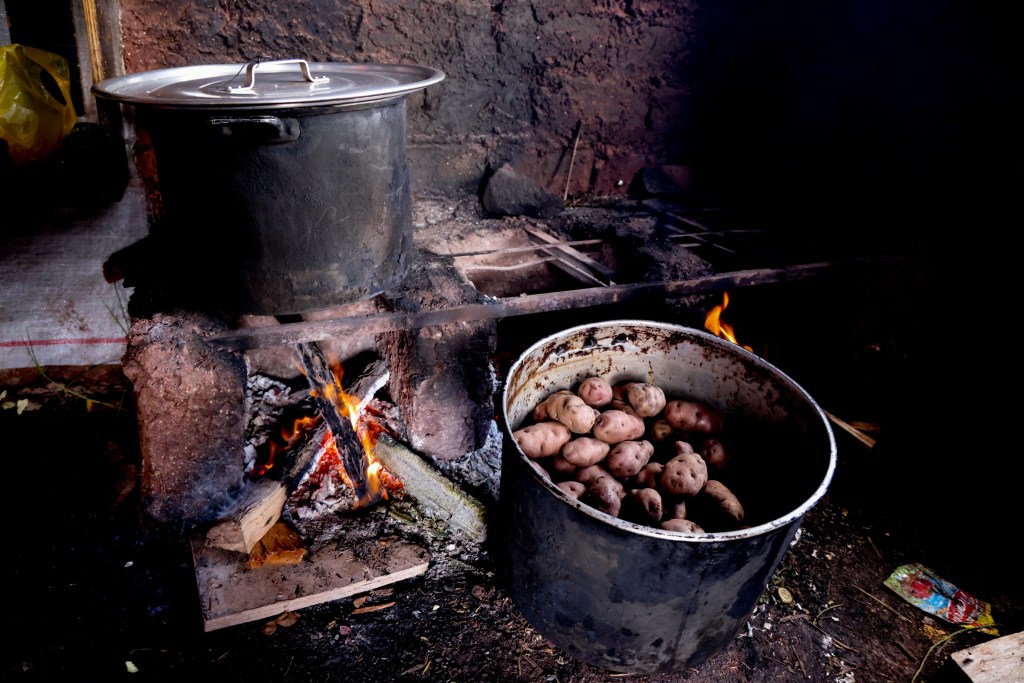
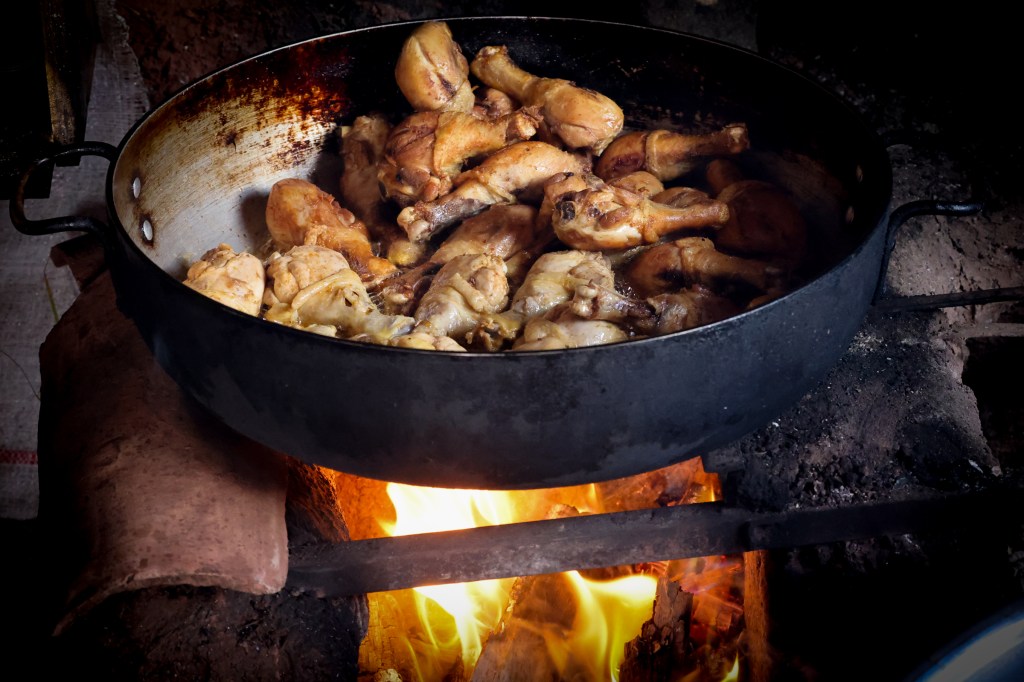
In multiple preparatory emails and Zoom calls in the months previous, trip organizers had encouraged us to pack snacks to supplement varied cultural mealtimes as well as our personal tastes. I took this to heart, stashing a shoebox-sized cache of granola bars and fruit snacks in my luggage. However, our host families – upon instruction from the coordinator – provided breakfast and supper in-house, sending an adequate to-go lunch with us each day. I had yet to finish my sack lunch since we had gone out for a restaurant lunch both clinic days in Cusco, and I was feeling poorly about surreptitiously holing away uneaten sandwiches so as not to offend my hosts. Now I was on day 3 of finding creative ways to use up the food I was gifted: eating hamburgers for breakfast on the bus, giving cookies away to kids, adding packaged snacks to my growing collection. The Peruvians’ ability to keep my hunger perpetually at bay was nothing short of miraculous: this was the first time in my recorded history that I didn’t have space to carry my snacks back home in my luggage. Based on this display of gifts in my love language (food and snacks), I will fight you if you question the generosity of Peruanos.
When we returned from lunch, our PT line had virtually disappeared – farmers returning to their daily tasks. We finished the day with over 200 people triaged, 40 seen in physical therapy. Hearts full to bursting, we loaded the bus to drive into the sunset as we descended into Cusco.
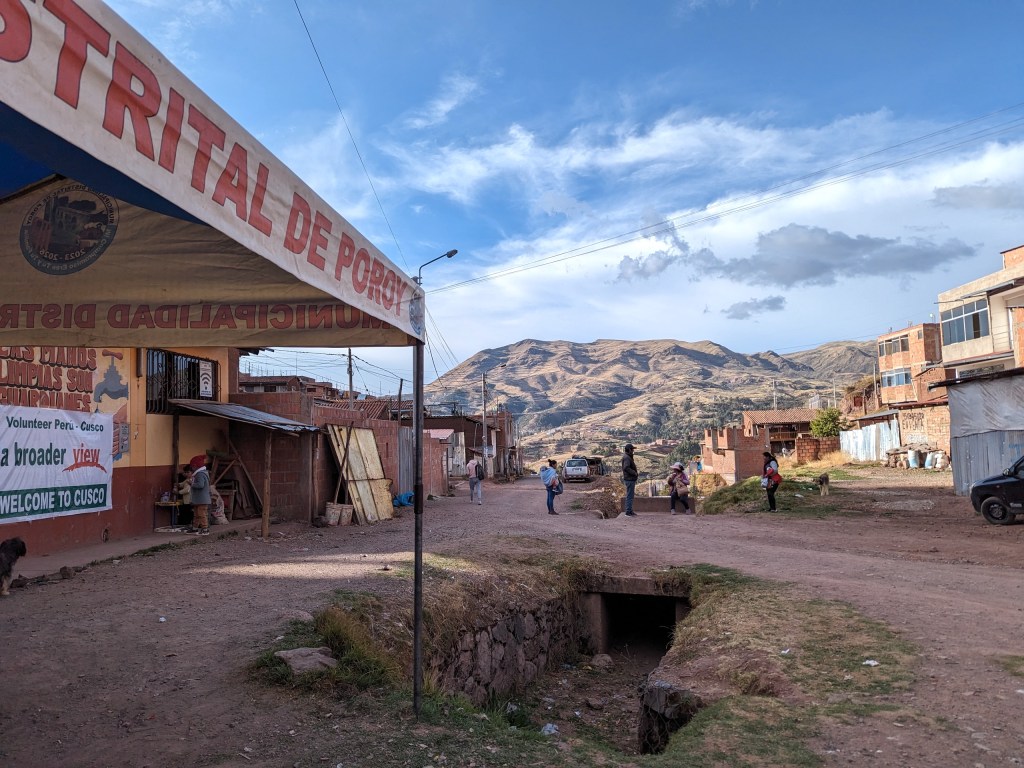
The next day we drove an hour in the opposite direction, to the district of Poroy. Setting up in another community center, the PTs were assigned a spot on the soccer field across the parking lot. Heather, Adriana, and I planned to spend the day outside under a canopy, using gymnastics mats on the ground for a treatment area. Before our first patients, however, we were summoned back into the community center for a “presentation”.
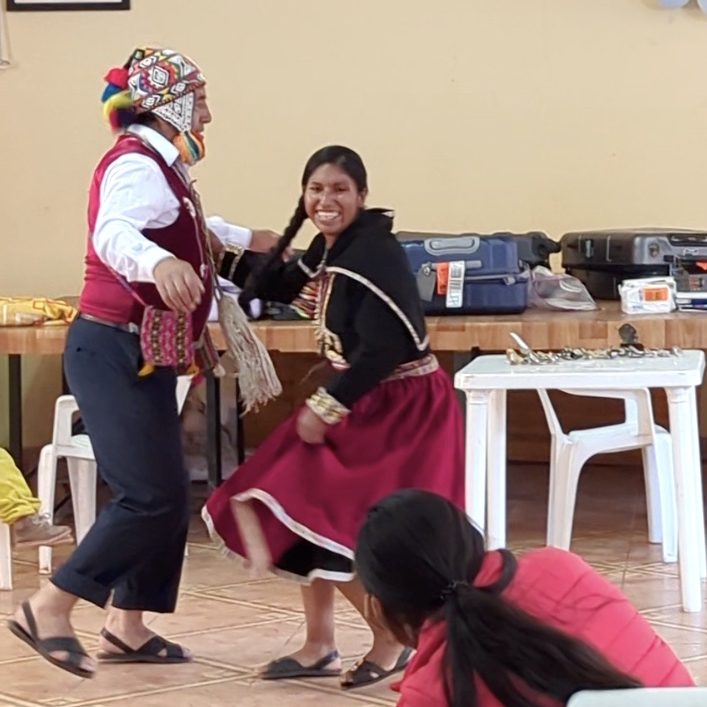
A man in a suit gave a speech, then handed the megaphone to a man in traditional Peruvian dress who addressed us in Quechua. Then the real party started: A young woman and older man in traditional dress began the baile de solteros – the singles dance. I watched with curiosity, questions mounting in my head as both dancers hopped and spun, the man repeatedly going in for a smooch and being shoved back by the young lady. I thought I understood what was going on until articles of clothing began being stripped off and flung into the audience. I clapped my enthusiastic approval when they stopped the ritual before more skin was showing. Culture is fascinating.
Poroy officials had pre-arranged a schedule for patients, so the lines ebbed and flowed in shifts throughout the day, rather than the usual mad rush in the morning settling down as afternoon shadows grew longer. Exhaustion from the previous three days was setting in, and providers were struggling to keep energy and health up. I sipped on some chamomile tea during lunch to subdue the frog in my throat. Poor Heather succumbed to a nap on the mat during a slower period while I treated a young husband-wife duo with matching muscular complaints, Adriana cooing over their roly-poly 8-month-old as I tried my hand at cracking jokes in Spanish. Another gold star for Peruvians: they laugh at my bad jokes.
(Are Spanish dad jokes a thing? Please comment. I’ll tell you my joke about the disappearing Peruvian magician.)
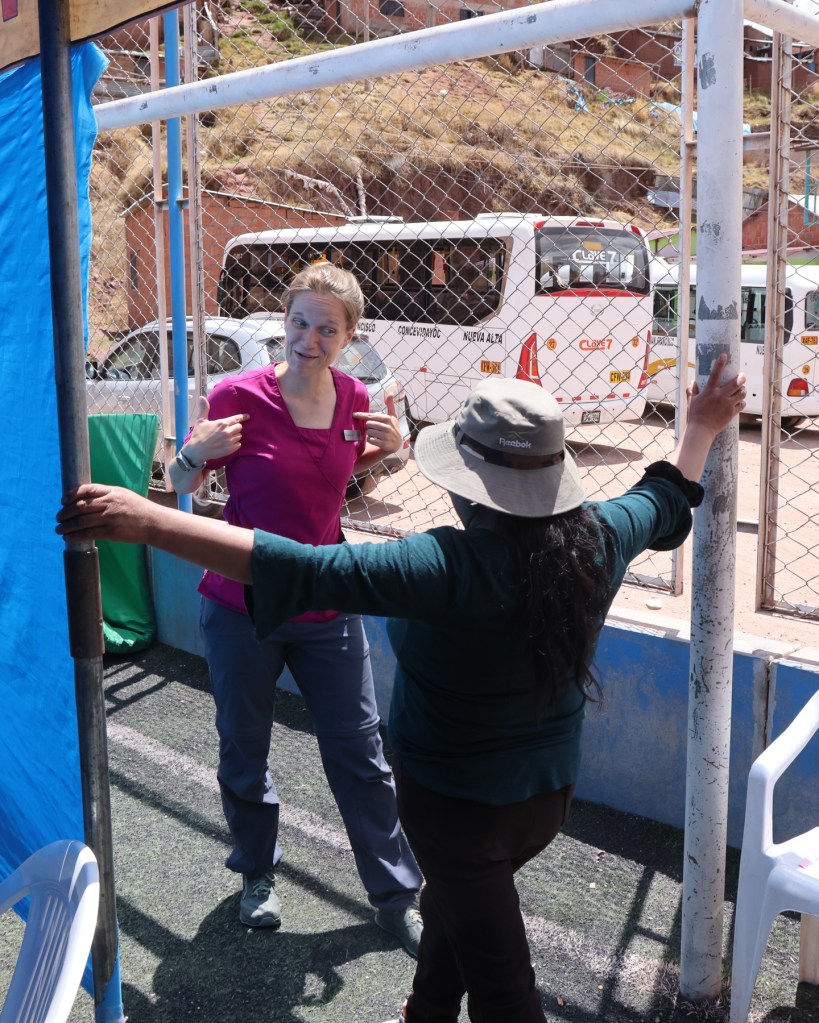
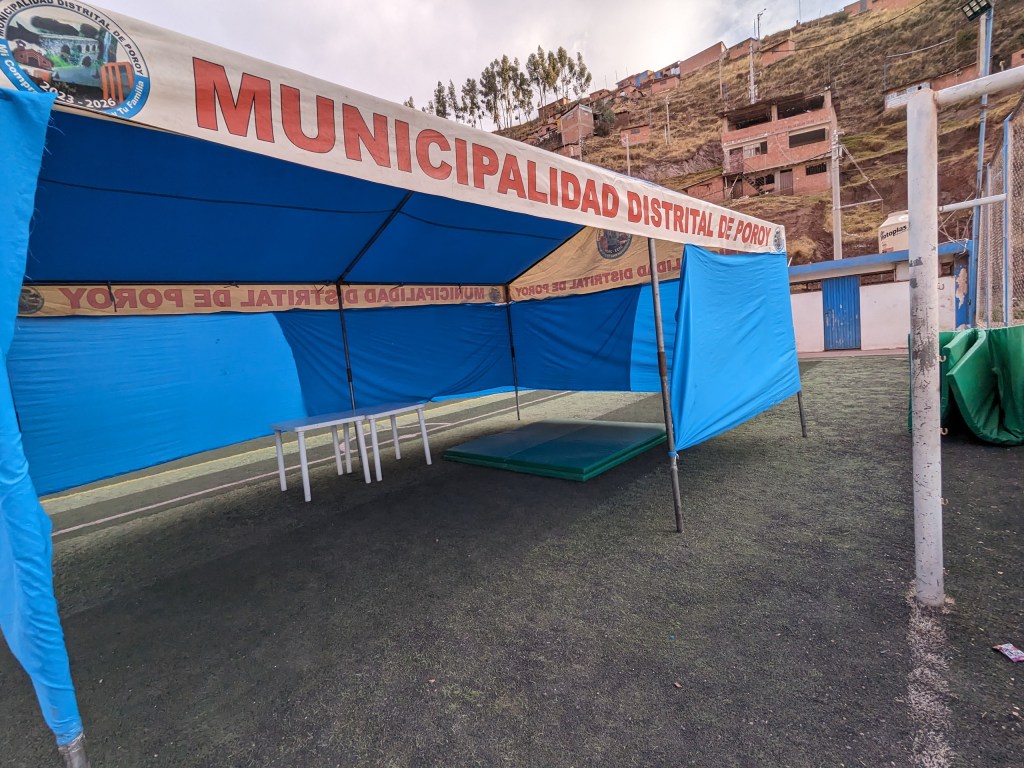
We were finished with another 150 patients by 4:30p, heading back to our host homes for naps and dinner (beef stir fry, eggs, and potatoes – always potatoes).
After dinner, we finally played the tourist card: Jenny, Maxi, and Alex led Abrill, Lauren, and I on a walking tour of Cusco. We walked between centuries-old Incan walls, watched teenagers learn the traditional Cusqueño dance, gawked in the Plaza de Armas and Plaza San Francisco, snapped photos at San Cristóbal, and delighted in the Mediterranean feel of the Calle Siete Borreguitos.
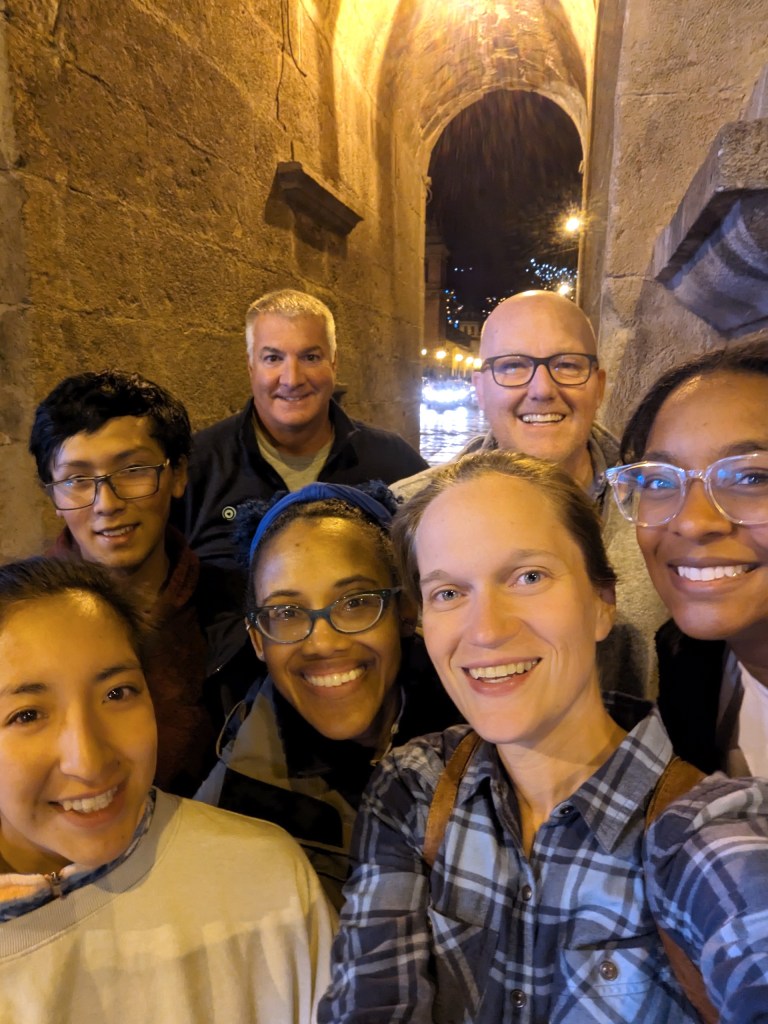
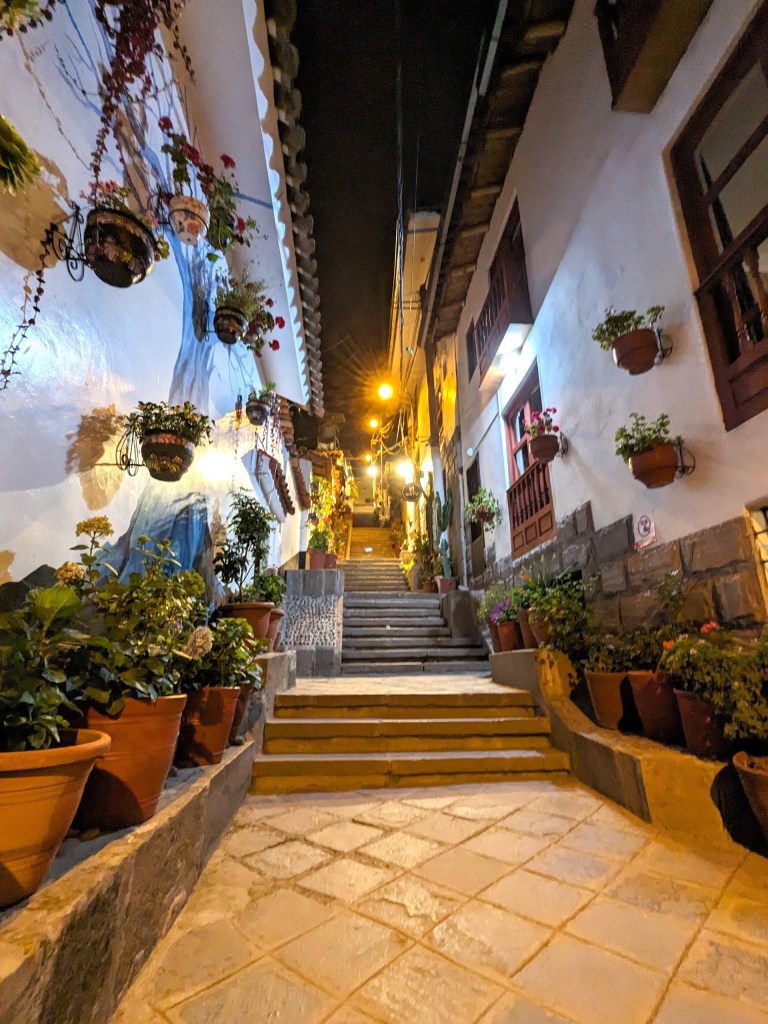
Our guides were accommodating and never complained about our sluggish pace up staircases and steep roadways, our hearts working double-time to keep our lowland blood ahead of our oxygen demand (i.e. we were panting, stopping every block with hands on our knees to catch our breath).
“No hay montañas en Wisconsin,” I wheezed. They smiled, bounding up the stairs to wait for us at the next landing.
 Conversations on El Camino