The anticipated fifth and final day of clinics had given me some anxiety as it was wholly outside the realm of predictability. We were scheduled to visit a school/shelter/orphanage – I never really understood what it was – for children with histories of disability or abuse.
I was entirely unsure what physical therapy needs would be presented, yet entirely sure I wouldn’t be able to perfectly meet them.
The morning sun cast harsh shadows as we dodged sidewalk hazards (no holes this time, just dog piles) outside of CEBE Don Jose de San Martin, hauling suitcases that grew lighter with each clinic day. We were greeted warmly at the gate by a lead docent at the school who escorted us into the sprawling complex surrounding an open-air plaza. After stashing our bags, we were ushered into a room of 30-40 women seated quietly in chairs, the air heavy with a sense of reverence and solemnity. Whispers among our ranks revealed the identity of these women – mothers of disabled children, residing at this vocational school with their hijos to assist in the care the short-supplied staff were unable to provide. I scanned the crowd: brows creased with worry, lips pulled into thin lines of determination, hairs graying prematurely in response to great hardship.
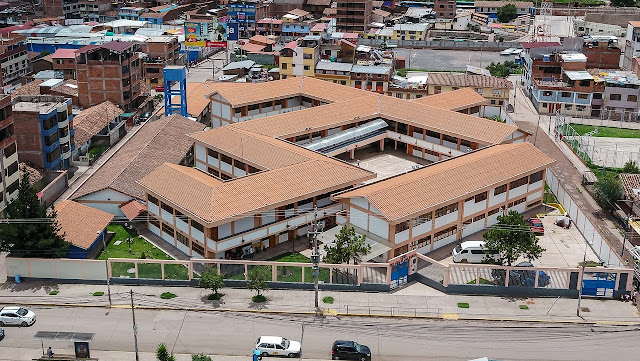
CEBE Don Jose de San Martin; Photo from https://www.deperu.com/educacion/
Our team introduced ourselves by department: internal medicine, pediatrics, obstetrics, physical therapy. Maria Elena explained the purpose of the interpreters, and claimed that though we didn’t all speak English or Español, we all spoke el idioma del amor – the language of love. My heart cracked as the room galvanized as one, all nodding their agreement.
Then the women told us their stories – how they had to leave their other children, their spouses, their friends in order to live here and provide for their less-able child. How they couldn’t hold a job to provide for their family, living and caregiving full-time here at the school. How what they were doing was hard, so hard, but still they could not stop. How grateful they were that we were willing to help them, when they were so accustomed to being the helpers.
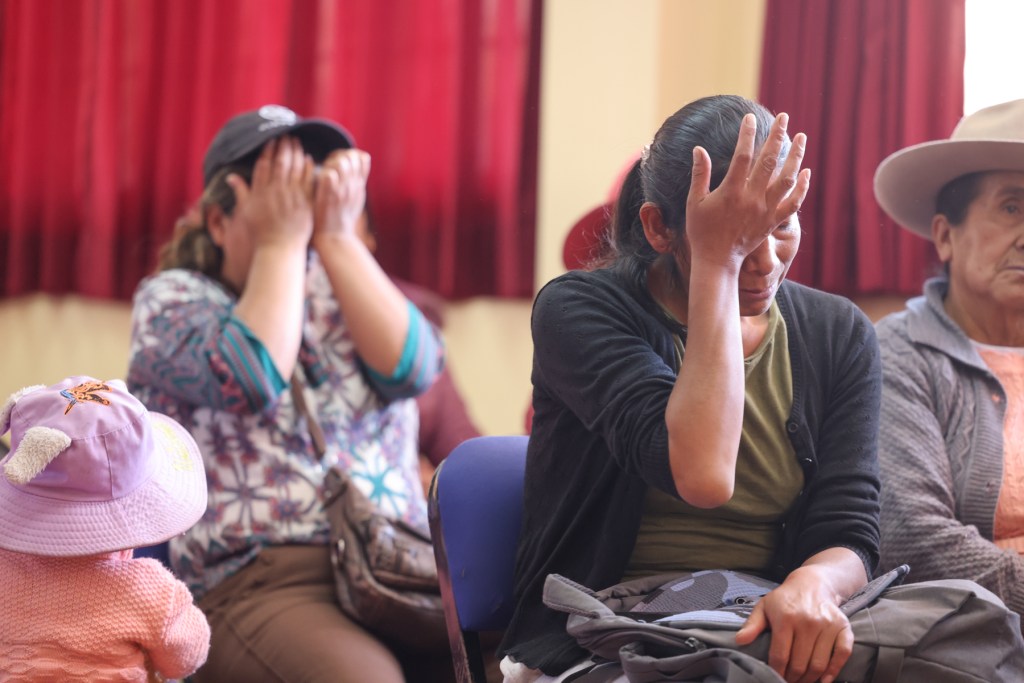
Eyes reddened, sniffles sounded, and fingers tried in vain to sweep away the evidence of heartbreak as story after tragic story was told. Our team lined the walls, hearts aching for each woman, awed by their strength and determination.
I knew now why we were at this school, and was determined to give my best, imperfect as it was.
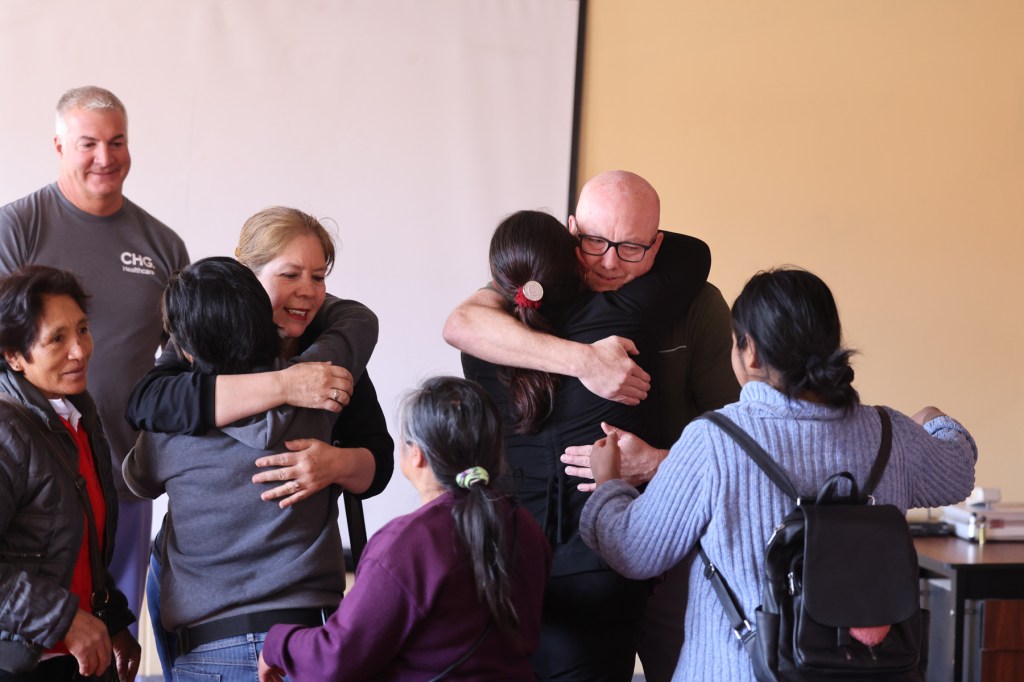
We had a brief moment to compose ourselves (i.e. wipe our tears and noses on something other than our sleeves) before being summoned to the central patio for a demonstration. Local government leaders and school officials gave speeches, awards were presented… and I understood 50% of what was going on due to microphone difficulties and my first-grade level Spanish (speeches aren’t written for first graders).
Finally the main performance was ready. My heart filled to bursting and spilled over my cheeks as classes of students bedecked in the bold colors of traditional Peruvian dress spun and twirled and pranced their way to their places marked with chalk on the patio grounds. They were not limited by a fear of failure, swishing their skirts and taking their bows with the bravado that buds from a freedom from inhibition.
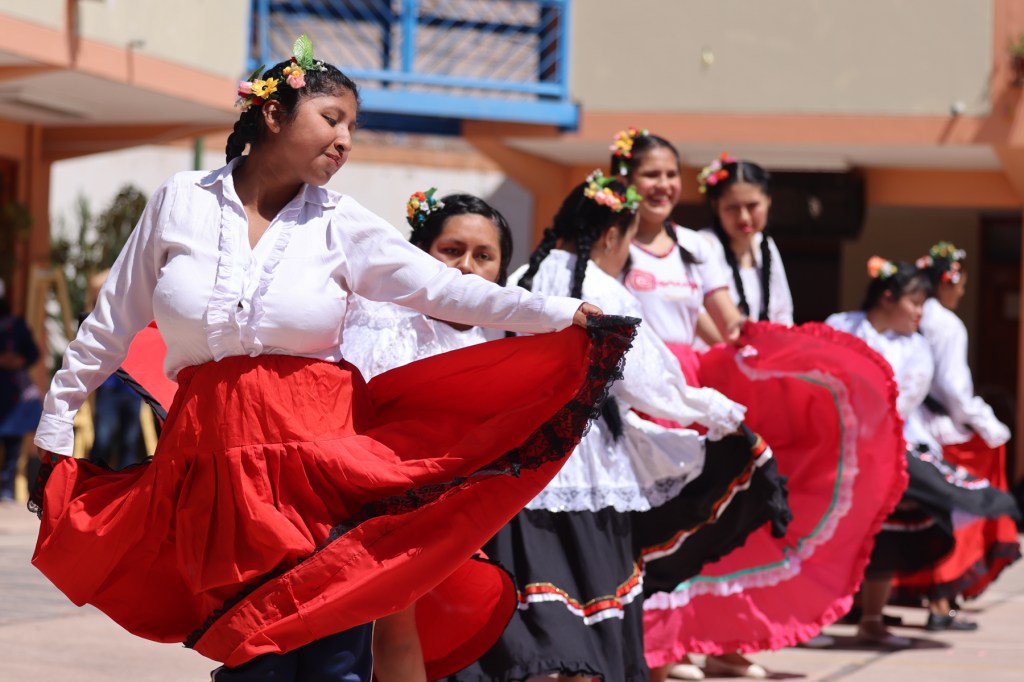
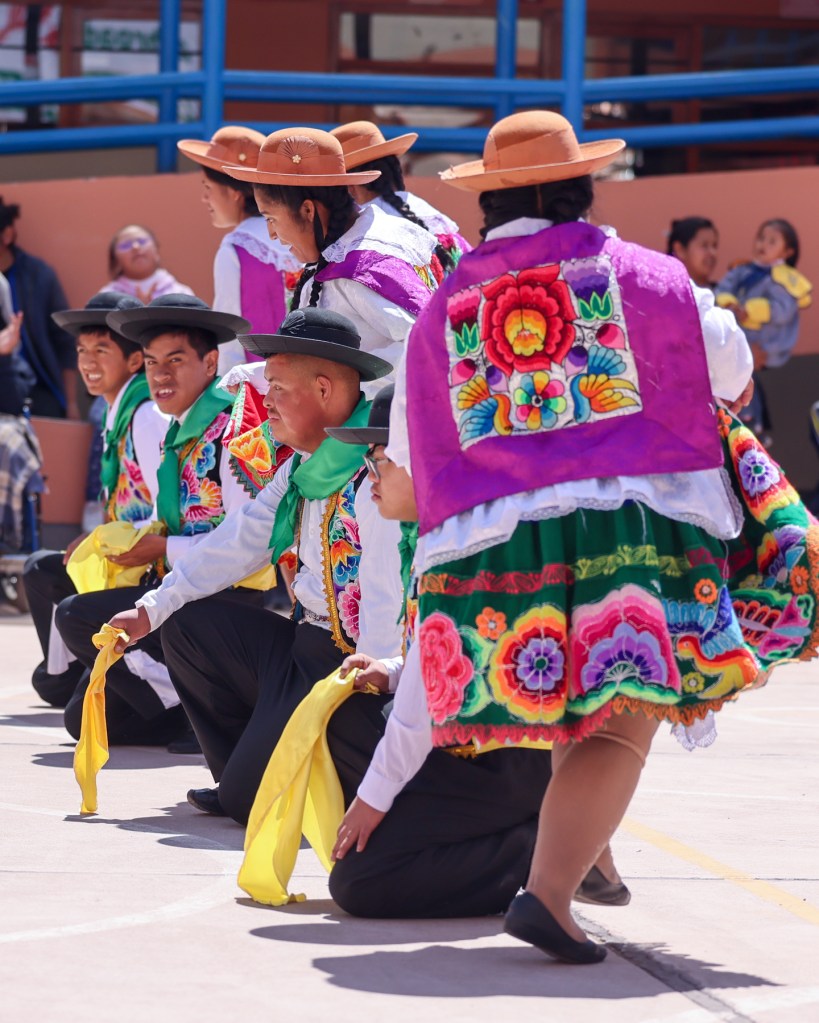

I smiled and giggled through tears at their exuberant performances, taking particular delight in a young man who was clearly not part of the planned dance, but couldn’t help himself from joining in… and the young lady who took it upon herself to put him in his place with the wagging of her finger.
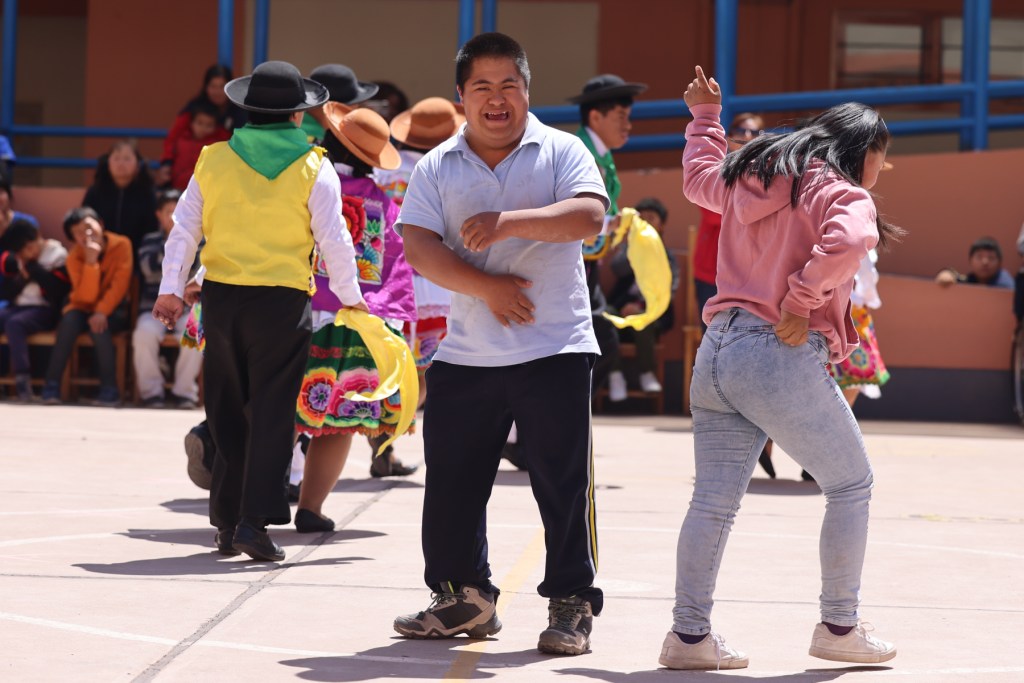
The students’ candid, genuine, unrestrained, reckless joy was contagious, its current running rampant through our ranks.
The dances and photo ops now concluded, it was off to work. There was a bit of confusion for the location for physical therapy, compounded when we met the staff physiotherapists for a review of goals for the day. Due to staffing shortages only the clients with the most severe mobility deficits receive physiotherapy, for just 30 minutes weekly; standards for pediatric PT in the US are typically 2-3 hours per week to see measurable gains. After some discussion regarding our skillset and the time we had available, we determined we would see mothers for orthopedic concerns, and pediatric care would remain in the capable hands of the superb onsite staff – another example of great need exceeding limited resources.
After working out the kinks, Heather and I were surrounded by 20 mothers and a half-dozen PT students from a local university, giving an impromptu clinic on safe lifting techniques and ergonomics for transferring disabled persons from wheelchairs to beds and the like. A week ago I could not have given any semblance of instruction in Spanish, but gracias a Dios, this morning I was met largely with nods of understanding as I spoke of load distribution and spine health.
It was also largely helpful that most anatomical terms are Latin-based, so I could simply throw a Spanish accent on a body part and the PT students helped translate it into lay terms. 😅
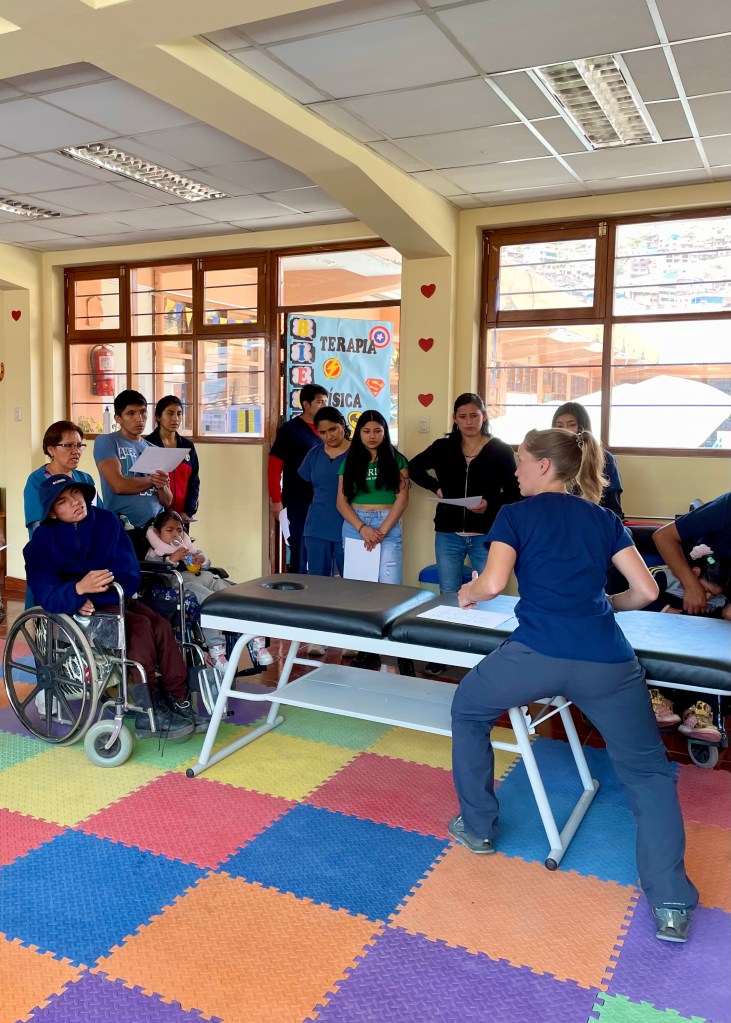
After the group class, mothers began filtering in with the registration forms familiar from our previous days of clinic. Every patient was exceptionally thirsty for knowledge, eagerly asking questions and excited to receive instruction sheets with their exercises. Those who were in line peeked around corners and over heads, mirroring our movements quietly as they attempted to absorb what we were teaching to those first in line.
The line continued on and on, and I continued chugging water to drown the frog in my throat. I worked as quickly as I could without cutting anyone short, always ending the session with, “Hay algo mas?” – is there anything else? Many times mothers would plead with me to evaluate their son or daughter, exposing my insufficiencies with a pediatric neurologic population; but still I tried.
Eventually word made it to us that the rest of the clinic crew had already taken break, finished lunch, and returned to their posts. We wrapped up with two more moms in line, finally escaping at 3:15 to scarf down cheese sandwiches and sip some clove tea.
We worked feverishly from 3:45 until 5:30 while the rest of the crew packed up and was ushered out of the building due to closing time. I dared not look in any supervisor’s eye, earnest in my decision to see every last patient with the best care I could muster – the care they deserved.
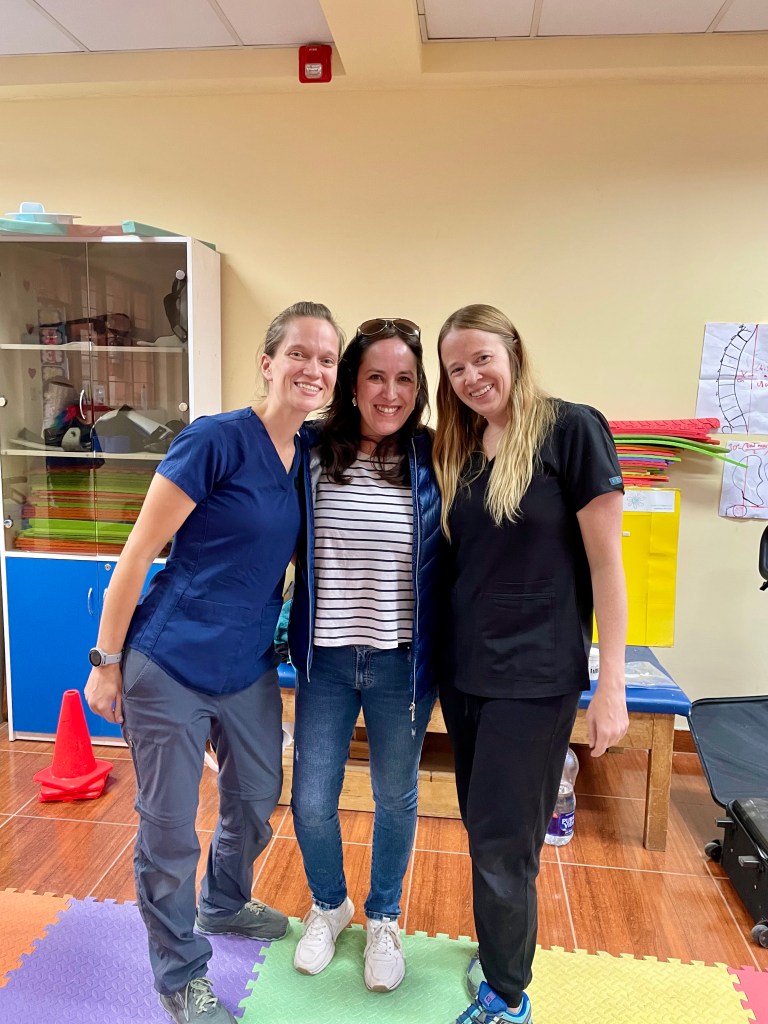
I climbed aboard the bus, collapsing into the seat as the adrenaline wore off and I had a moment to reflect on the day.
When I signed up for this trip months ago and realized it would coincide with my birthday, I thought that a visit to Machu Picchu was just the gift I wanted. But this day was a far superior gift, a mine of Incan gold: the immense honor of being invited into the sacred space of hurting people allowing me to attempt to help them achieve wholeness; the gift of seeing the beauty of souls living joy without inhibition; and the encouraging sense that there are yet good people in the world who want to help each other. I am rich beyond measure.
Happy birthday to me, I mused, counting my Midas-touched blessings in the fading Andean golden sunlight.
 Conversations on El Camino