09.07.2024
I’m lying on the library floor, my hearing muffled and my skin clammy. I’m focusing on breathing and not passing out… and reflecting on the past month.
- My nails are 10 days longer than my preferred length because I haven’t had the time or mental energy to search for my favorite pair of clippers.
- I have only one outfit in my sister’s guest room closet, as the rest of my clothing is quarantined in my apartment with the COVID virus.
- I’ve survived 3 weeks of disorienting orientations, syllabus writing, class building (thankful the curriculum was already set), textbook reviewing, slide editing, and generally pretending I have a withering idea of what I’m doing.
- I can finally navigate my way through the administration building and my department, but still get lost daily when I venture into other campus edifices.
My sister comes into the library to check on me. I hold up a bandaged finger, which explains nothing. My warnings to check the bread knife “for contamination” offers a clue, though recalling the injury has me seeing red and feeling clammy again.
As a creature of habit who craves new horizons, I struggle within an existential dichotomy. I balk at the idea of years of routine, but freeze in fear when presented with a large sample of new and unfamiliar. I’m beginning to understand that deer in the headlights: unwilling to dive back into the woods, but staring doomsday in the grill.
Life as a novice college professor is busy, to be sure. But sometimes I find myself waiting for the “real work” to start. Yes, I’m studying and preparing lectures, poring over textbooks until my eyes bulge; but lecturing and student visits feel like the stuff I do for fun, the interruptions that I should probably report to my boss as “unproductive time”. For the first time in my adult life, I am employed in a position that is not valued by quantity of productive time, but by quality of product. It’s refreshing and overwhelming.
I very much enjoy interacting with students. I’ve reached about 50% name-face recognition, meaning I’ve got 100 or so faces to go. Some students are endearing, others aloof.
One student used his BARE hand to vanquish a huge wasp hovering in the classroom. I might have uttered, “My hero!” aloud.
Another student stole my Ticonderoga #2 pencil. I’m working hard to assume it was unintentional. It might be grounds for flunking.
Being employed for the express purpose of telling others how neat the human body is still feels like a dream.
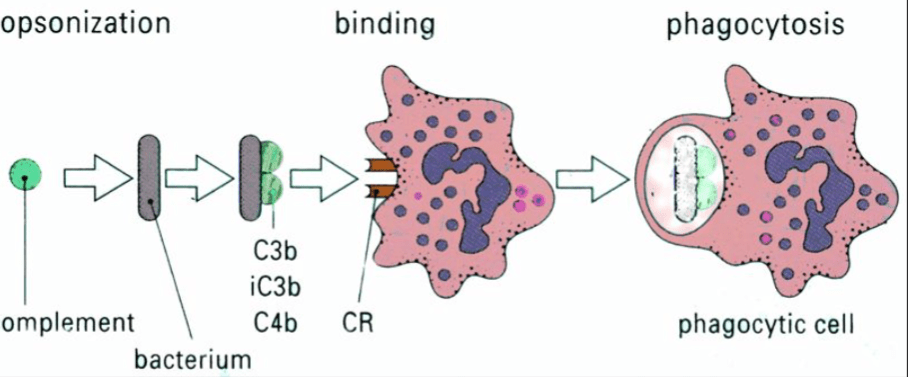
(Did you know that one of the functions of our body’s immune system is to tag pathogens (disease-causing bad guys) with markers that draw white blood cells to phagocytize (swallow and digest) them? It’s called opsonization, and comes from the Greek root word “to prepare a meal for” or “side dish, relish”. Our body puts relish on bacteria hot dogs for an immune system picnic. How is that not the neatest thing??)
Even in this dream job, I still miss my patients. I believe this is the longest period in a decade that I haven’t taught clamshells to someone (EDIT: A student asked about their knee pain a few weeks ago. I assigned – wait for it – clamshells). I haven’t asked for pain on a scale of 0-10, and haven’t grabbed any limbs to swing around with abandon… unless you count dismembered limb models. In that case, I was carrying armfuls of skulls and boxes of bones yesterday, and stuffing legs and arms into bags the week before.
This is such a cool job.
09.24.2024
We were in the final 20 minutes of a 3-hour lab period, down to a few lingering students nervous to take their “exit quiz”. I’d spent the period wandering among the benches, willing students to make eye contact (it’s a hard thing in this era, I’ve discovered), encouraging them to ask questions. I’d grown somewhat bored in this lab, as most students did a great job of studying ahead and memorizing the bones of the skull; no small feat when the bones are shaped like roosters, bats, and boats. A group of two pupils sat across a bench from each other, models of the ethmoid, sphenoid, and other cranial base bones strewn between them. They looked just like every other study group – a set of inundated, wide eyes included.
Now only 5 minutes of lab remained, and it was past time for the quiz to be administered. I gently reminded the pair that it was the last call for a quiz, noticing that one of the students had already finished and had been staying behind to help her peer.
I excused my lab assistants (it was closing time) and started to quiz the student on the models. Those wide eyes, unblinking, reflected a brain that felt much too saturated to retain and provide new information. The student barely moved, rigid in her chair – an apparent attempt to hold back the quakes and shivers of overwhelm. I desperately wanted to sit with her and discuss what study strategies she’d used, to investigate where her process had let her down. I buried the urge to implore, Why didn’t you ask me earlier? Why did you struggle for so long? Did you not know my greatest joy comes in helping you succeed?
I’m guilty.
I’d rather struggle than ask for help. To flounder behind a façade of pretended confidence, even as I know the majority is stumbling with me.
I’m working on asking for help. I think I’ve done a fair job of it in this new role – my colleagues can attest that I like sending emails and knocking on doors.
09.25.2024
I’m reflecting on the past month. My bread-knifed finger has re-epithelialized, and I’ve clipped my nails twice (with my favorite clippers!). Life is moving along, and I with it.
I administered an exam that returned a failing grade for more than half of the class. Whether that’s due to a badly written test, a bad instructor, or bad students is yet to be determined. I’m guessing the likelihood is highest when I look in the mirror. I’m asking for grace and moving forward, telling my students I’ll be offering them the same.
Here’s to normalizing needing help; both giving and taking. To recognizing that we rarely, if ever, have it all together. That we’re all on the struggle bus, even if we don’t dare make eye contact across the aisle for fear that someone will see how hard we’re trying. But here’s the thing: our measly efforts are more successful when we struggle together. So let’s flounder and splash and battle together!
I’m off to talk about bones and bacteria snacks. I hope you have something just as exciting on your daily agenda.
 Conversations on El Camino
A pleasure to read and follow your progress. I’ll bet that student would so appreciate your kindness and compassion. It’s not too late. You deserve the same when you look in the mirror- kindness and compassion. Those students are so lucky to have you!
LikeLike
DOCTA STOTZ!!!!!!!
ELL
LikeLiked by 1 person